Things to Do
RV & Site Information
Guests at Indian Well Campground can enjoy essential amenities including Drinking Water (Hand Pump), Drinking Water, and Flush Toilets. The site is maintained by National Park Service, ensuring consistent upkeep and facilities management.
Popular activities at this location include Amphitheater, Camping, Caving, and Hiking. The campground's proximity to Tulelake offers convenient access to additional outdoor recreation opportunities in the California region.
Located in Tulelake , California, Indian Well Campground provides bookable camping options for visitors exploring America's public lands. Contact the site directly for real-time availability and current conditions.
About this place
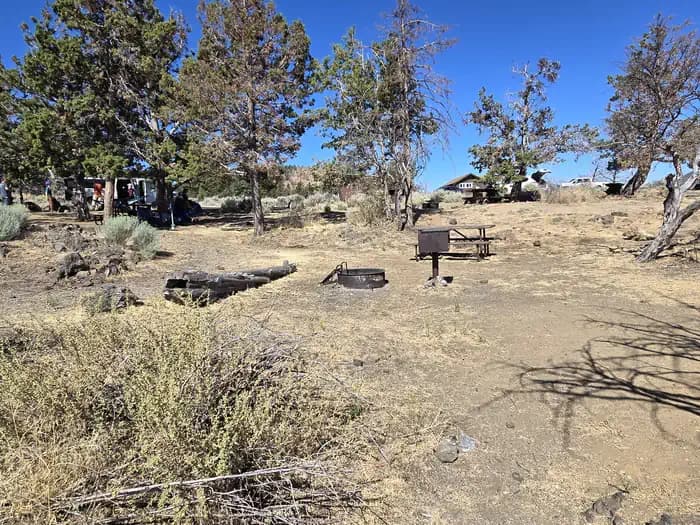
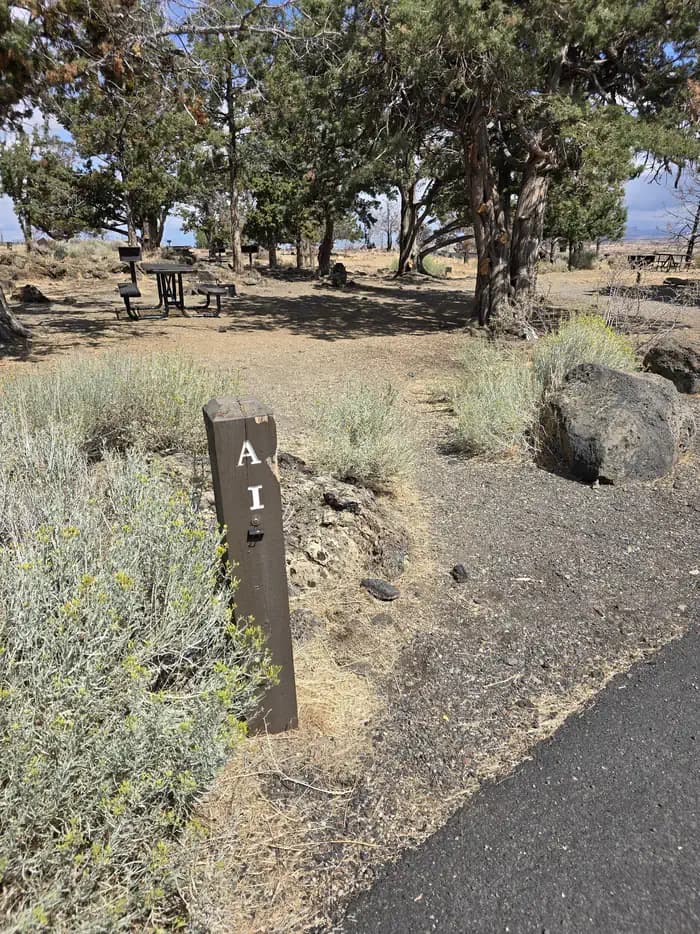
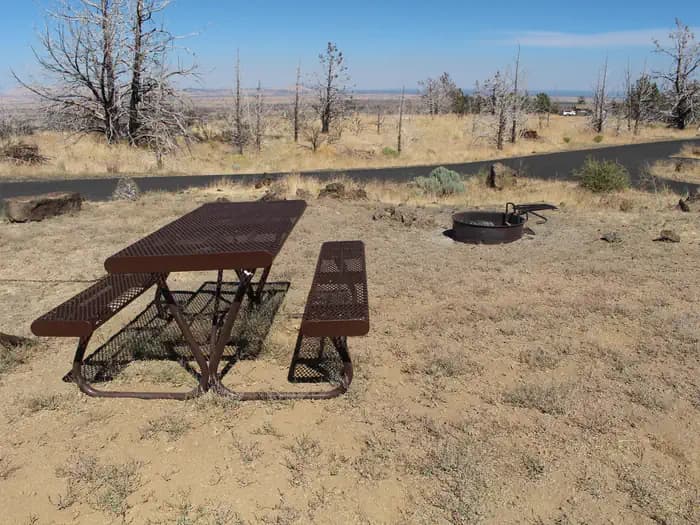
Overview The Indian Well Campground is in the heart of Lava Beds National Monument. The campground is comprised of 43 sites available on a first-come, first serve basis and one group site that is available by reservation April-October. The monument was established as a national monument on November 21, 1925, and includes more than 46,000 acres (190 km2).The monument lies on the northeastern flank of Medicine Lake Volcano, which is the largest volcano by area in the Cascade Range. The Monument has over 800 lava tubes, with 27 having marked entrances and developed trails for public access and exploration. The monument also offers trails through the high Great Basin shrubland desert landscape and vast volcanic fields. Lava Beds National Monument is the site of the Modoc War, involving a band led by Kintpuash (also known as Captain Jack). Recreation Lava Beds National Monument has the largest concentration of lava tubes in North America with over 800 documented in the Monument. 27 caves have marked entrances and developed trails for public access and exploration. Mushpot Cave has electrical lighting; the others are illuminated by ceiling collapse portals or require flashlights. The monument also has 13 hiking trails, all of which cross or enter the backcountry. The most popular trails are short, but lead to a number of historic sites as to several geological areas. This includes sites of the Modoc War that includes Captain Jack's Stronghold. Birding and wildlife viewing is also a popular activity along the north boundary of the monument. Facilities The Indian Well Campground is located a 1/2 mile (0.8 km) from the Visitor Center and Cave Loop. The campground is comprised of 43 sites available on a first-come, first serve basis and one group site that is available by reservation April-October. First-come first-serve camping permits are available at the self-registration kiosk in Indian Well Campground and must be obtained within 30 minutes of occupying a campsite. Affix your purchased camping permit to your campsite post. Sites can accommodate tents, pickup campers, small trailers and motor homes up to 30 feet. Not all sites can accommodate motor homes. A-Loop of the campground is open year-round and B-Loop closes in mid-November and reopens in the spring. Each campsite driveway is paved with either back in or pull through available. Flush toilets and drinking water are provided. Additionally each campsite has a fire ring and picnic table. There are no showers or RV hookups available. The Indian Well Campground Group Campsite accommodates groups of 15 to 40 occupants. The group site is on an unpaved road, has pit toilets, water, a fire ring and picnic tables. The group site road is unpaved and the site closes from November 1st through March 31st. Natural Features Lava Beds National Monument lies on the northeastern flank of Medicine Lake Volcano, which is the largest volcano by area in the Cascade Range. The Monument is geologically significant because of its wide variety of volcanic formations, including over 800 lava tubes, fumaroles, cinder cones, spatter cones, pit craters, hornitos, maars, lava flows, and volcanic fields.The region in and around Lava Beds National Monument lies at the junction of the Sierra-Klamath, Cascade, and Great Basin physiographic provinces. The southern most area of the monument is the highest in elevation and receives the most precipitation, and supports a Ponderosa Pine forest. Farther to the north of the monument, the middle elevations are a juniper and shrub woodland. Extending to the northern boundary are lower grasslands and sagebrush. Despite semi-arid conditions, native wildlife has adapted to the environmental constraints and are abundant and diverse.